

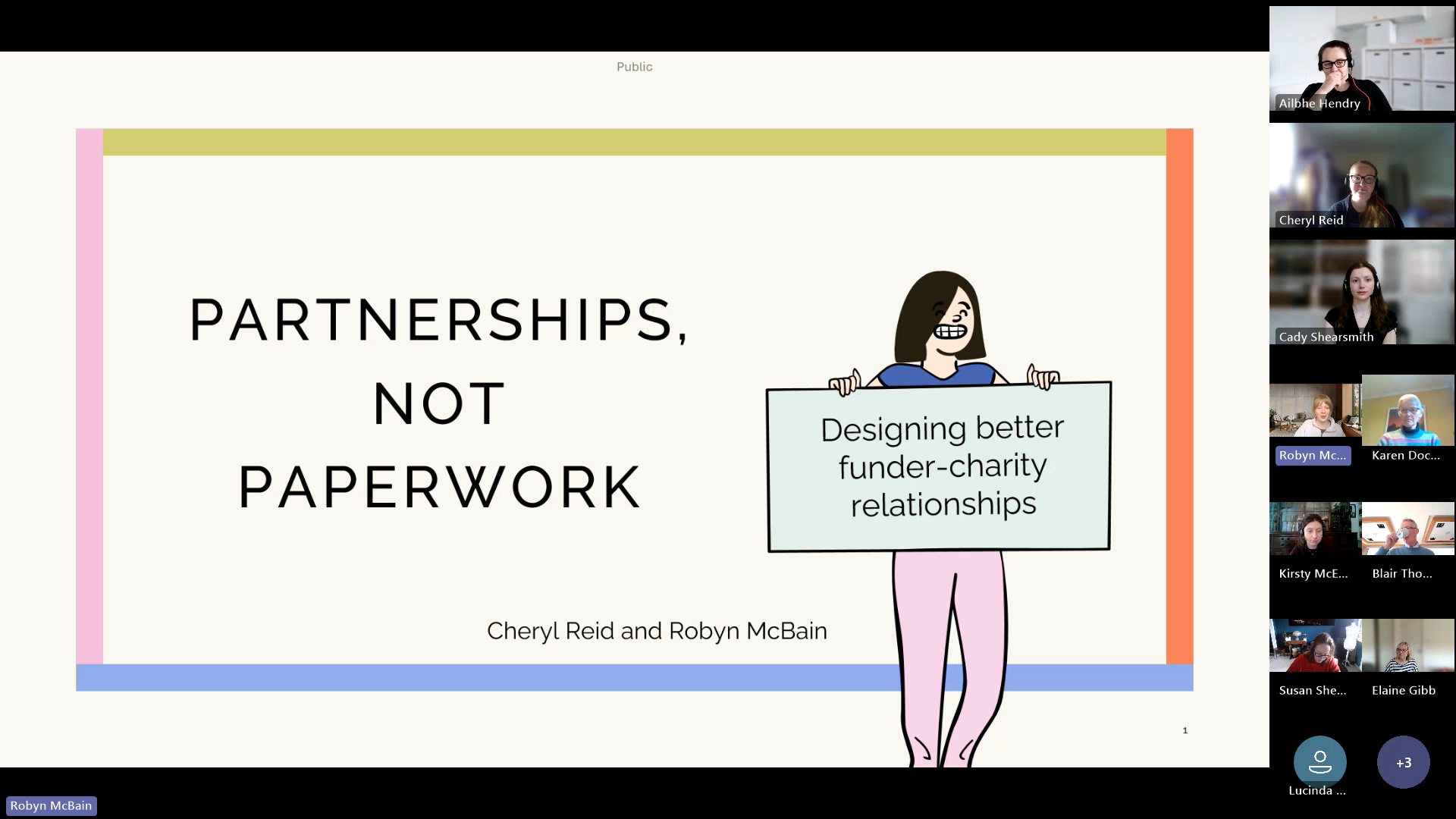
Spring Fundraising Mini Series S.2 'Partnership, Not Paperwork: Designing Better Funder-Charity Relationships'
Our recent Scottish Grantmakers session brought together fundraisers and grantmakers for a candid conversation about how funding relationships are experienced in practice and how they might work better for everyone involved.
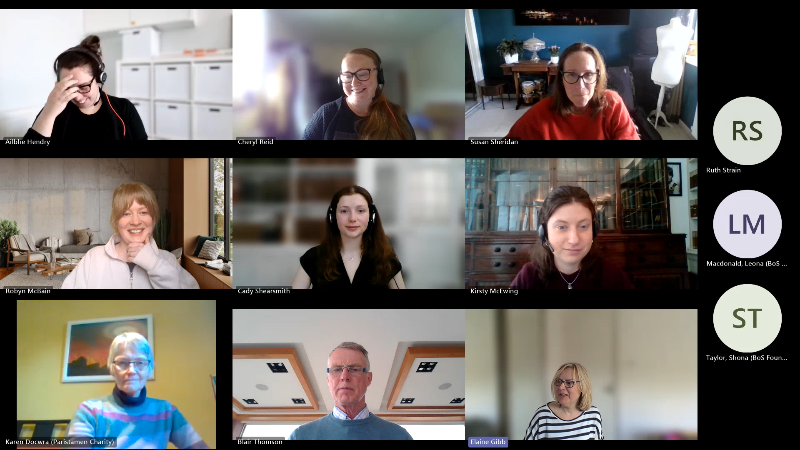
Led by fundraisers Robyn McBain and Cheryl Reid, the session created space to listen honestly to what helps charities thrive, and where unintentional barriers still exist.
Here are the key points for those who couldn’t attend or watch the full session by accessing our brand new Events Catch-Up page via the Scottish Grantmakers website (password is the same as the Members’ Area).
SESSION DETAILS
In this session, Scottish Grantmakers members heard directly from fundraisers about how a grantmaker’s approach to communication, application journeys and funding flexibility shapes the partnerships and power dynamics that sit behind effective funding decisions.
What already exists that works well?
Many examples of strong practice already exist across the Scottish funding landscape:
1) Clarity about grantmaking style and communication preferences helps charities understand what kind of relationship to expect and what funders are (and aren’t) hoping to receive. For example, funders might make clear whether they prefer:
a clearly defined, one‑off transaction for each grant
a start‑and‑stop relationship, with feedback or engagement during funded periods only
or an ongoing conversation across the full grant lifecycle
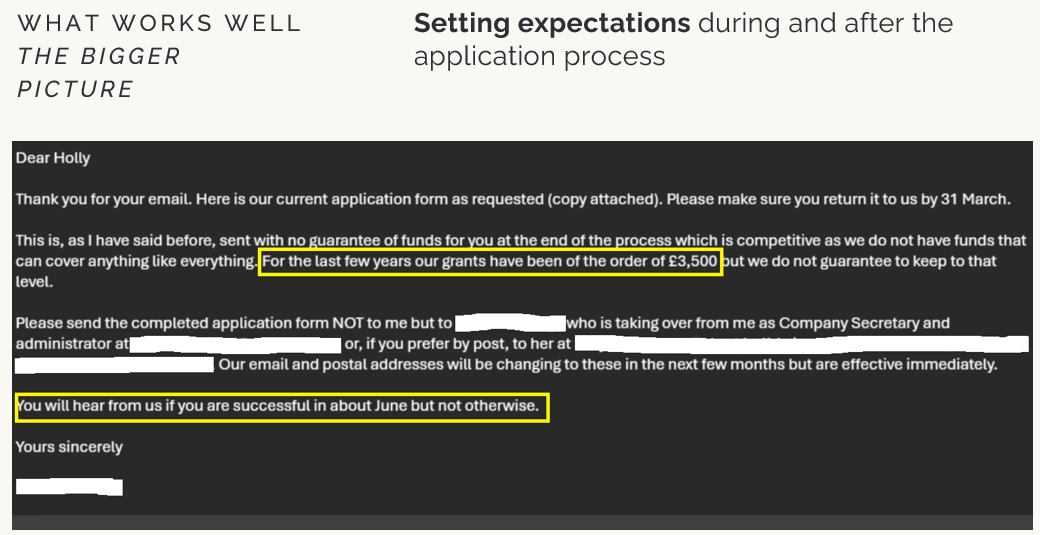
2) Clear expectation‑setting during and after the application process, including:
what type of grant is being offered
when applicants will hear back (and if they won’t be notified when unsuccessful)
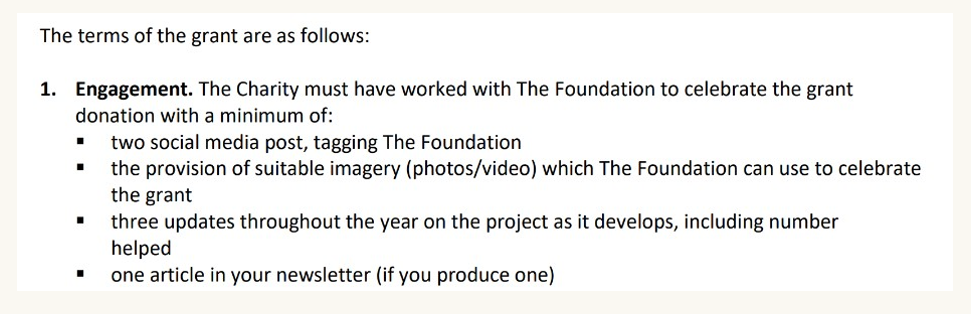
how funds are expected to be used
who will be the main point of contact
acknowledgement of receipt and confirmation of next steps
3) Being open to dialogue, particularly through short phone calls or informal conversations as they can help both sides save time deciding whether an application is a good fit
One piece of advice really landed: take the guesswork out. When funders are clear about how they work and what matters to them, charities can use their limited capacity more wisely and submit applications that are far better aligned.
Design funds in partnership over time
Cheryl shared an example of a funder relationship that began with tightly restricted project funding, but was paired with a genuine effort to understand the organisation’s wider strategy, finances and governance. Over time, and through ongoing conversation, this trust led to a shift towards more flexible and eventually unrestricted funding.
That flexibility allowed the charity to respond quickly to real‑world needs (such as replacing essential equipment when it failed) ensuring services could continue and impact was sustained. The takeaway was clear: moving from restricted to flexible funding can be intentionally managed through relationship‑building and curiosity about how charities operate.
What doesn’t work well, and why it’s fixable
Robyn and Cheryl highlighted challenges including:
lengthy or multi‑stage applications for relatively modest grants
early or unexpected fund closures
repetitive application questions
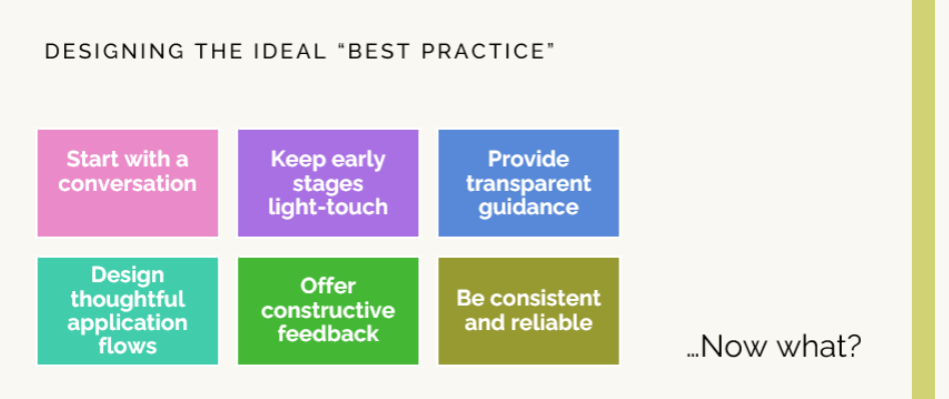
However, Robyn and Cheryl positioned these as design challenges we can solve. Suggestions included:
genuinely light‑touch expressions of interest (<300 words)
word counts rather than character limits, particularly where charities need to explain technical or specialist work
providing PDF versions of application questions in advance, especially when using online portals
grantmakers communicating delays or changes clearly, recognising the knock‑on effects for charities staffing and services
offering feedback to both successful and unsuccessful applicants, even at a high‑level such as their success criteria, to give context to decisions
As with our first mini‑fundraiser session, there was a strong emphasis on being open to “funding the boring stuff”. Core costs such as systems, software, salaries and infrastructure are what make delivery possible. Cheryl and Robyn encouraged funders not to dismiss these automatically, instead highlighting practical approaches like allowing a proportion of grants to be used flexibly.
Q&A reflections from members
The discussion sparked questions from funders, including why so few fundraisers initiate early conversations. Suggestions included:
making an open‑door approach more visible on funder websites
offering an online booking system for short phone or video appointments
hosting occasional Q&A webinars so fundraisers can better understand criteria and fit
There was also discussion about the pressure's fundraisers are managing like repeated rejection with little feedback, ethical tensions around storytelling and vicarious trauma, and responsibility for organisational income stability. This reinforced the importance of relationship-led funding practices.
Elaine Gibb (Scottish Grantmaker trustee and the session's host) closed by reflecting on the responsibility funders hold to meet charities not just halfway, but at times further, to reduce power imbalances. She left the group with a question:
What is the one thing you will stop, or start, doing today because of this feedback from fundraisers?
SPEAKER CONTACT DETAILS
Robyn McBain (Action for Children) - Robyn.McBain@actionforchildren.org.uk
Cheryl Reid (SPCA) - Cheryl.Reid@scottishspca.org